

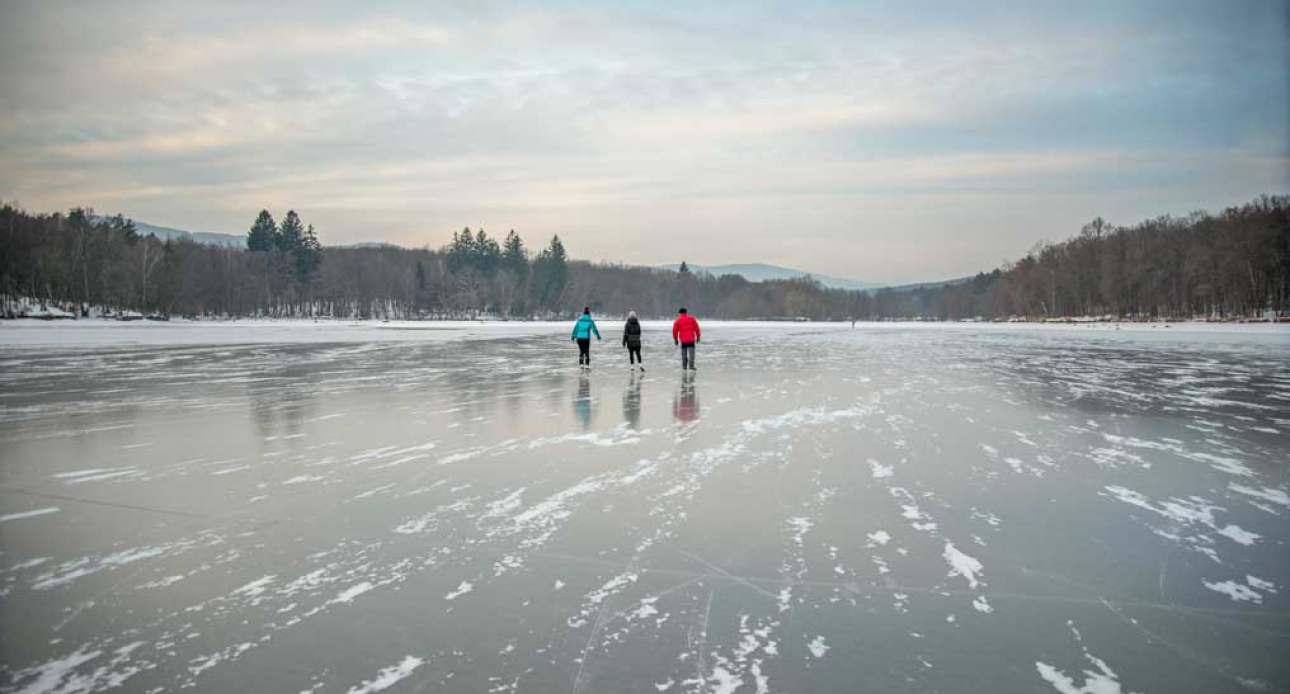
For many in the Lakes Region, “ice-out” on Lake Winnipesaukee—when the lake is first fully navigable in spring—holds as much intrigue as the first freeze in fall. It’s a milestone that’s been tracked for over a century, and December brings subtle clues that hint at the coming thaw.
The official ice-out record on Winnipesaukee dates back to 1851. Over the decades, the timing has shifted: early dates in March, later ones into May.
The pattern of those dates often reflects larger trends in winter and spring temperatures, ice thickness, and snow cover.
While ice-out is months away in December, several early indicators begin shaping the outcome:
Local observers sometimes track “first freeze” dates, snow depth, and early ice build. In January and February, these observations feed into predictions for when the Mount Washington (the steamer) can resume navigation across ports like Center Harbor, Weirs, Meredith, and Alton.
If you’re a lake enthusiast, keeping an eye on December and January weather—especially cold spells and snow accumulation—can offer hints about that year’s ice-out rhythm. And next April or May, when the lake finally clears, you’ll have a richer sense of how winter shaped the thaw.